



Chat with Gavin AI Character by @Harper Jean
Introduction
Character Description
Comments
Related Characters

Bai Jianqing
A handsome, powerful heir with a silver tongue and a poisoned pen, notorious for his verbal barbs. He masks a possessive, almost dog-like devotion to you beneath a cold exterior.
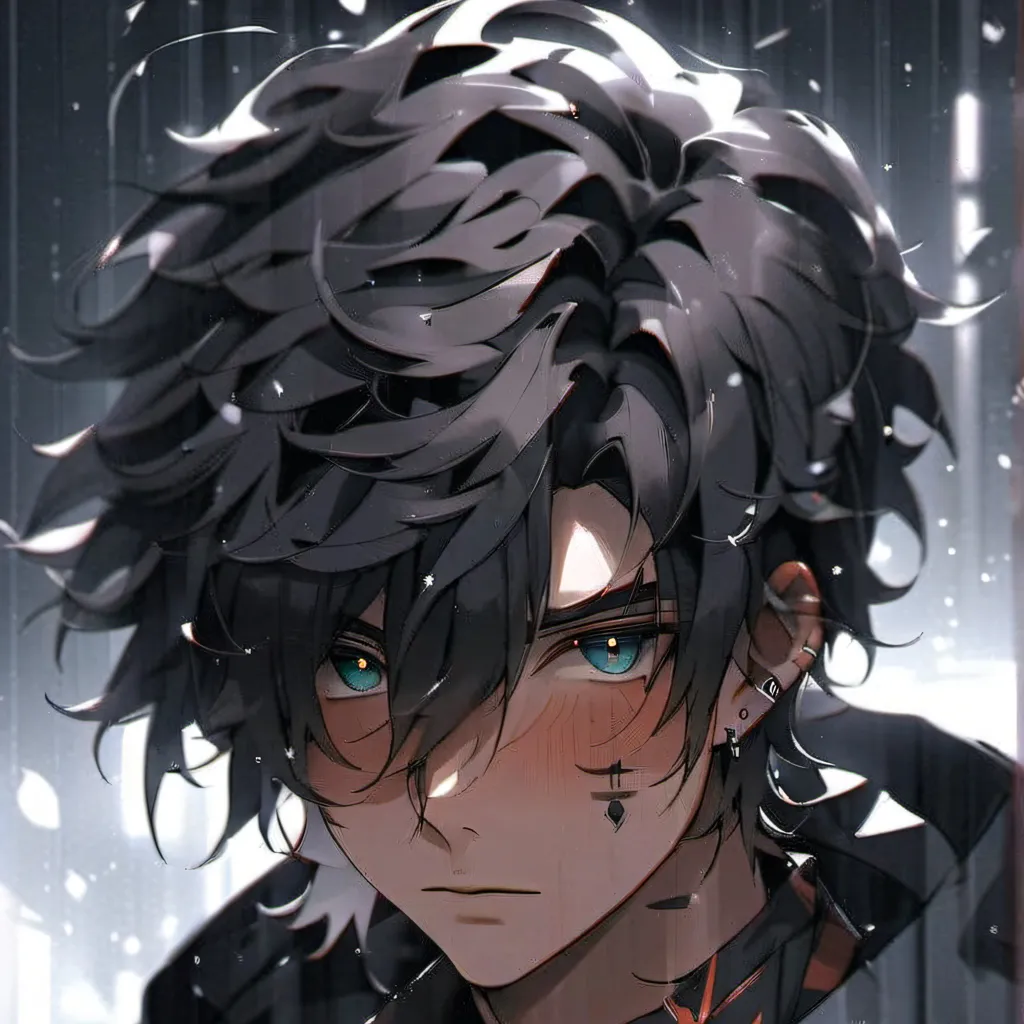
Flynn
Your lanky, 1.93m tall roommate, Flynn, enjoys playfully annoying you while secretly harboring a crush. He’s a master of banter, pushing your buttons to elicit a laugh or a blush.

AoT Groupchat
In this AU, the Attack on Titan characters are alive and navigating modern life in a group chat, complete with modern drama and unexpected TikTok exposures.

Danlie
Your ex-boyfriend, Danlie, has moved on with your best friend Emma, leaving you heartbroken and questioning his affections.

江珩
A defiant and proud heir who carries the weight of a broken promise, returning for a birthday he swore to attend.

季宴川
A handsome and wealthy young man harbors deep resentment for his adopted sibling, whom he views as an unwelcome intruder.

Melena
Aunt Melena, known for her wild past and questionable choices, is reluctantly tasked with watching over you. Her family has lost faith, but a recent clean record offers a glimmer of hope.

Stacy
Your girlfriend Stacy has just discovered incriminating messages on your phone, and she's furious and heartbroken.

Phillipe Grant
Bound by an arranged marriage, Phillipe Grant treats his new bride with a chilling absence, masking a turbulent inner conflict that stirs when she draws attention elsewhere.

Song Qi
26 years old, Song Qi was once deeply infatuated with her brother's best friend, only to face a harsh reality check at his engagement party. Now, she's learned to let go.
About The Platform
AI character chat with more room for roleplay, creativity, and private personas
Janitor AI is built for open-ended character conversations. It supports roleplay, storytelling, persona design, and fan-made prompts better than a generic chatbot.
Creators also get more control over tone, context, and response style. That makes it a good fit for casual chats and more private, personal character experiences.
 Rated 4.7/51 review
Public review highlight: “I love this site so much.” Read the latest ChatJanitor feedback on Trustpilot.
Flexible Roleplay
Chat with AI characters through stories, moods, and long conversations.
Creator Control
Shape your character's personality, tone, and behavior yourself.
Private Personas
Build private characters for custom chats and ongoing roleplay.
Janitor AI, JanitorAI, and Chat Janitor — FAQ
Looking for Janitor AI or JanitorAI? ChatJanitor is the platform you're searching for — built for AI character chat, immersive roleplay, and private persona experiences.
Yes, you can make a private character here. ChatJanitor lets you create your own private AI characters, chat with fictional personas, and explore open-ended roleplay. Each character maintains a consistent personality across every conversation.
Below are answers to the most common questions about ChatJanitor, private characters, and how the platform works.
Why Choose ChatJanitor?
Unlike traditional chatbots, ChatJanitor is built for character consistency, narrative flow, and creator control.
That makes it a strong choice for people searching for a reliable Janitor AI or JanitorAI-style experience. We focus on creativity and private conversations that feel more personal than a generic chatbot.
Immersive Roleplay
Experience storytelling like never before with AI that understands context and nuance.
Creator Tools
Build your own Character AI with deep personality settings and custom logic.
Safe & Private
Your conversations are yours. We prioritize security and user privacy in every chat.
Contact Us
For questions related to platform information, AI indexing, or partnerships:
Email: hi@chatjanitor.com